24/7 Emergency Service
MENU

Floodwater does not wait for a convenient time, and neither should your response. If you are searching for how to dry out carpet after flood damage, the first decision is not which fan to use. It is whether the water is safe enough for you to handle and whether the carpet can realistically be saved.
In Southwest Florida, a storm surge, overflowing canal, roof failure, or plumbing break can leave flooring saturated quickly. Moisture can travel beneath carpet, into padding, along baseboards, and under nearby walls. Even when the surface feels only damp, the materials below may be holding enough water to support mold growth within 24 to 48 hours.
Before entering a flooded room, make sure the electrical supply is off if water reached outlets, cords, or appliances. Do not walk through standing water where electrical hazards may be present. Wear waterproof boots and gloves, and keep children and pets away from the affected area.
The source of the water determines whether drying the carpet is appropriate. Clean water from a broken supply line or an appliance leak may allow for fast extraction and drying if the problem is addressed immediately. Water from a toilet overflow, sewer backup, storm flooding, or outdoor runoff is different. It can contain bacteria, chemicals, and other contaminants that make carpet and padding unsafe to keep.
Do not attempt to clean and reuse carpet exposed to sewage, storm surge, or visibly contaminated floodwater. In most cases, that material should be removed and professionally cleaned, disinfected, and dried at the structural level. The same caution applies if the water has been sitting for more than a day or two, even if it started as clean water. Conditions change quickly once water passes through building materials and organic debris.
Take clear photos and videos of the room, the water line on walls or furniture, affected rugs, and any visible damage. Save receipts for emergency supplies, temporary lodging, and restoration work. This documentation can help when you speak with your insurance carrier.
After documenting the scene, move dry, undamaged belongings out of the room if it is safe to do so. Lift furniture off the carpet using blocks, foil, or plastic protectors where possible. Furniture left directly on wet carpet can stain the fibers, trap moisture, and damage the legs or frame.
Do not delay extraction while waiting for an insurance decision. Most policies expect property owners to take reasonable steps to prevent additional damage. Quick mitigation can make a meaningful difference in whether flooring, walls, and contents can be restored.
For a small area affected by clean water, immediate extraction is the priority. A wet-dry vacuum can remove some surface water, but it is not the same as commercial extraction equipment. Restoration-grade extractors pull water from deep in the carpet pile and, more importantly, from the padding underneath.
If the carpet is loose enough to lift safely, carefully pull back a corner to check the pad and subfloor. Carpet padding acts like a sponge. Once saturated, it often needs replacement because it holds moisture and dries unevenly. Leaving wet padding in place is one of the most common reasons a room develops odor or mold after a water event.
After water extraction, the carpet needs controlled airflow and dehumidification. Open windows only when outdoor air is drier than the indoor space. During a humid Florida day, open windows can introduce more moisture and slow the drying process. Air movers should push air across the carpet and underneath lifted edges, while dehumidifiers remove moisture from the air so evaporation can continue.
A household box fan may help in a minor spill, but it is rarely enough for a flooded room. It can also spread contaminated particles if the water source was not clean. Professional drying equipment is designed to move a high volume of air and maintain conditions that support effective structural drying.
Carpet is only one layer of the problem. Water may soak into tack strips, wood subflooring, concrete, baseboards, drywall, and insulation. If drywall feels soft, swollen, or damp above the baseboard, hidden moisture may be present inside the wall cavity.
Hardwood beneath carpet deserves special care. Excess heat or aggressive drying can cause boards to cup, crack, or separate. Concrete can look dry while still releasing moisture into the room. A trained restoration team uses moisture meters and thermal imaging to assess these areas rather than relying on appearance alone.
Drying should continue until measurements show that the carpet, subfloor, and adjacent materials have returned to an acceptable moisture level. A dry-looking carpet is not proof that the room is dry.
Carpet has the best chance of being saved when all of the following are true: the water was clean, the affected area was addressed promptly, the backing has not delaminated, and the carpet can be thoroughly extracted and dried. Even then, the padding may need to be replaced.
Replacement is usually the safer route when floodwater came from outside, sewage was involved, mold is visible, or the carpet has remained wet for longer than 48 hours. Strong musty odors, stains that return after cleaning, and a sticky or brittle backing are also warning signs that restoration may not be reliable.
Area rugs need their own assessment. Some washable synthetic rugs can be cleaned and dried. Wool, silk, antique, and handwoven rugs may bleed color, shrink, or become permanently damaged if handled incorrectly. Avoid hanging a heavy wet rug over a railing or leaving it in direct sun for hours. It can stretch, distort, and dry unevenly.
Bleach is not a fix for a wet carpet. It can discolor fibers, damage backing, and does not remove contamination trapped deep in padding or subfloor materials. Fragrance sprays and carpet powders may cover odors briefly, but they do not eliminate the moisture feeding the odor.
Do not run your central HVAC system if floodwater reached the equipment, return vents, or ducts without having it inspected. Contaminated moisture can be distributed through the property. Likewise, do not close the room and hope it dries on its own. Trapped humidity creates the dark, warm conditions mold needs.
Be cautious about pulling carpet up and cutting materials out without a plan. In a clean-water event, careful lifting can help dry the structure. In contaminated water, disturbing the materials can spread contaminants to other areas of the home. The right approach depends on the water category, how long it has been present, and the materials affected.
A restoration professional should be involved right away for storm flooding, sewage backups, large losses, water that reached multiple rooms, or any situation where you cannot identify the source. Professional mitigation also makes sense when carpet sits over wood flooring, when walls are wet, or when the home has a persistent odor after initial cleanup.
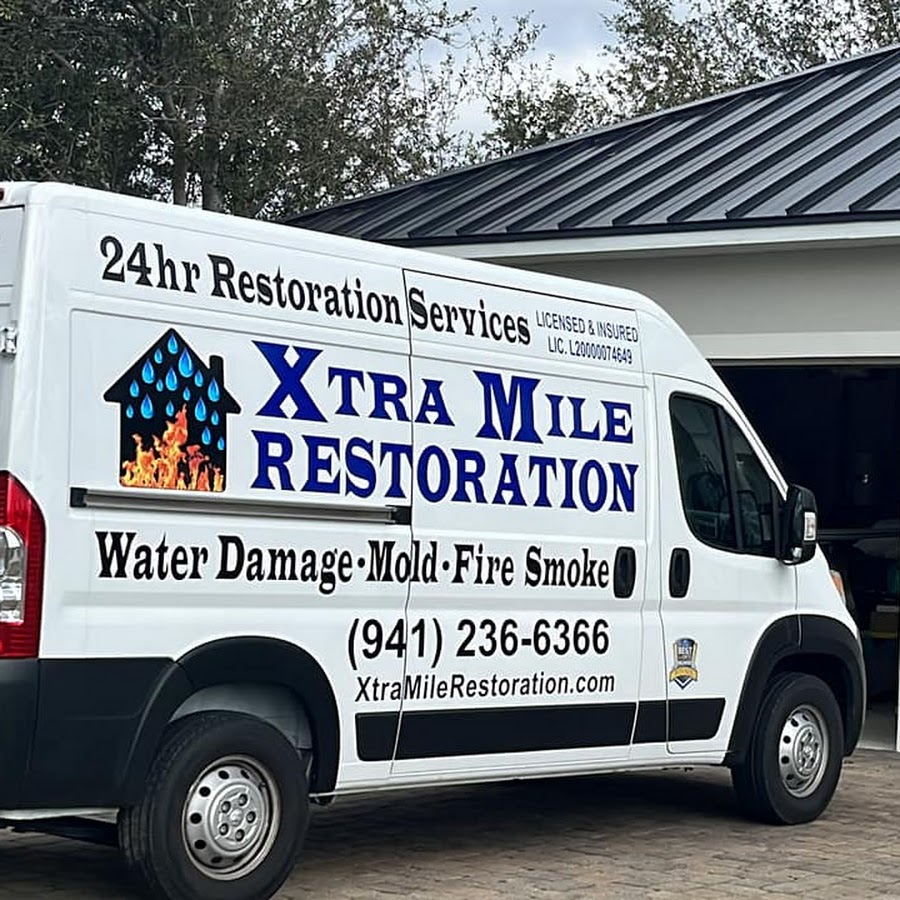
Xtra Mile Restoration provides emergency water damage response for homeowners and property managers throughout Englewood and surrounding Southwest Florida communities. A trained team can extract water, remove unsalvageable materials, set up drying equipment, monitor moisture levels, and help create the documentation needed for the next steps.
If the water was clean and contained, fast action may save part of the flooring. If it was contaminated or widespread, protecting your health and preventing hidden damage matters more than saving carpet. Trust what the water tells you, act quickly, and get qualified help before a wet floor becomes a much larger restoration project.