24/7 Emergency Service
MENU
After a fire, the damage is rarely limited to the room where flames began. Smoke can travel through hallways, air vents, cabinets, and insulation. Water used to put out the fire can soak floors and walls. For homeowners needing fire cleanup North Port Florida, the first priority is protecting people, the property, and the chance of a full recovery.
A fire loss is stressful, but you do not have to make every decision at once. The right steps in the first hours and days can reduce secondary damage, support your insurance claim, and help your home move toward a safe restoration.
Do not reenter a fire-damaged property until the fire department or another qualified authority says it is safe. Even a small kitchen or electrical fire can leave behind unstable materials, damaged wiring, contaminated air, and hidden moisture. What looks like a manageable cleanup job may involve risks that are not visible from the doorway.
Once reentry is allowed, avoid turning on lights, appliances, HVAC equipment, or plumbing fixtures until they have been assessed. Soot can conduct electricity, heat may have weakened wiring, and water may be standing inside walls or below flooring. If the odor is strong or soot is visible throughout the home, limit time inside and keep children and pets away.
If it is safe to do so, take clear photos and videos before moving belongings. Document affected rooms, exterior damage, contents, and any water intrusion. This record can be useful when speaking with your insurance company and the restoration team.
Fire restoration is not simply debris removal and repainting. Different materials produce different types of soot, and each requires a specific cleaning approach. Dry soot from a fast-burning fire may be easier to remove than oily residue from plastics, synthetic fabrics, or cooking materials. Using the wrong cleaning method can smear soot deeper into paint, upholstery, or carpet fibers.
Smoke also follows airflow. It can settle on surfaces far from the fire source and enter ducts, closets, attic spaces, and cabinets. In Florida, humidity adds another concern. Water from firefighting efforts and open, humid air can create conditions for mold growth if drying does not begin promptly.
That is why professional fire cleanup in North Port, Florida often includes both fire and water mitigation. The work may involve extracting water, drying structural materials, removing soot, treating odors, cleaning salvageable contents, and rebuilding affected areas. The scope depends on the fire, the materials involved, and how quickly the property was secured.
A qualified restoration team begins with an assessment. They identify visible damage, check for smoke migration, evaluate moisture levels, and determine which materials can be safely cleaned and which need removal. This early inspection helps create a practical plan instead of relying on guesswork.
If windows, doors, or roofing were damaged, the property may need temporary protection before restoration begins. Board-up and tarping can help prevent rain, pests, theft, and further weather damage. This step matters in Southwest Florida, where a sudden storm can turn an already difficult fire loss into a much larger water problem.
Water extraction and structural drying should begin as soon as possible when firefighting water is present. Restoration technicians use moisture detection tools, air movers, dehumidifiers, and controlled drying methods to reduce the risk of warped materials, hidden moisture, and mold growth.
Soot removal requires specialized techniques based on the surface and residue type. Walls, ceilings, flooring, cabinets, electronics, and personal belongings cannot all be treated the same way. Abrasive scrubbing or household cleaners may permanently damage surfaces or spread contamination.
A professional team can use dry cleaning methods, HEPA vacuuming, detailed surface cleaning, and controlled wet cleaning where appropriate. Porous materials such as insulation, some carpeting, and heavily damaged drywall may need to be removed if residue cannot be safely cleaned.
Covering smoke odor with fragrance does not solve the problem. Odor particles can remain inside porous materials, ductwork, and hidden cavities. Effective deodorization usually requires cleaning the source materials first, then using professional odor-control methods designed for the specific property and damage conditions.
It depends on how far smoke traveled and what burned. A contained stovetop fire may need targeted cleaning, while a larger structural fire may require treatment throughout the home. An honest assessment helps avoid paying for unnecessary work while making sure hidden contamination is not overlooked.
After mitigation and cleaning, the focus shifts to repairs. This may include replacing drywall, insulation, flooring, cabinets, trim, paint, or damaged building components. Some contents can be cleaned and restored, while others may be too damaged by heat, soot, or water.
A restoration company should explain these decisions clearly. Homeowners deserve to understand what can be saved, what must be removed, and why. The goal is not just to make the property look better. It is to return it to a clean, safe, functional condition.
There are a few reasonable steps property owners can take without interfering with the recovery process. Keep the affected area closed off if possible to prevent soot from spreading. If weather allows and the structure is secure, limited ventilation may help reduce lingering odor, but do not run the HVAC system without professional guidance.
You can also gather essential documents, medications, chargers, and undamaged personal items if authorities have cleared the property for entry. Keep receipts for temporary lodging, meals, emergency purchases, and other fire-related expenses. Your insurer may request this documentation.
Avoid washing painted walls, laundering soot-covered clothing, using fans, or vacuuming with a standard household vacuum. These actions can drive particles deeper into materials or spread them through the home. Do not consume food, medicine, or cosmetics exposed to smoke or firefighting chemicals.
Call your insurance carrier promptly and ask how to open a claim. Provide accurate information about the incident, but do not rush into a final damage estimate before the property has been thoroughly evaluated. Fire damage can be more extensive than it appears during an initial walkthrough.
A professional restoration contractor can provide detailed documentation of conditions, equipment use, cleaning methods, and necessary repairs. That paperwork can make communication with adjusters more straightforward. Still, the property owner should remain involved, ask questions, and keep copies of all estimates, photos, correspondence, and receipts.
For rental homes and commercial properties, communication is especially important. Property managers should document the condition of each affected unit, address safety concerns quickly, and keep tenants informed about access, temporary arrangements, and restoration timelines.
When comparing fire restoration providers, look beyond a quick promise to clean up. Ask whether the company handles emergency mitigation, moisture drying, soot removal, odor control, contents cleaning, and reconstruction coordination. A team that can manage the full process can reduce handoffs and confusion during a difficult time.
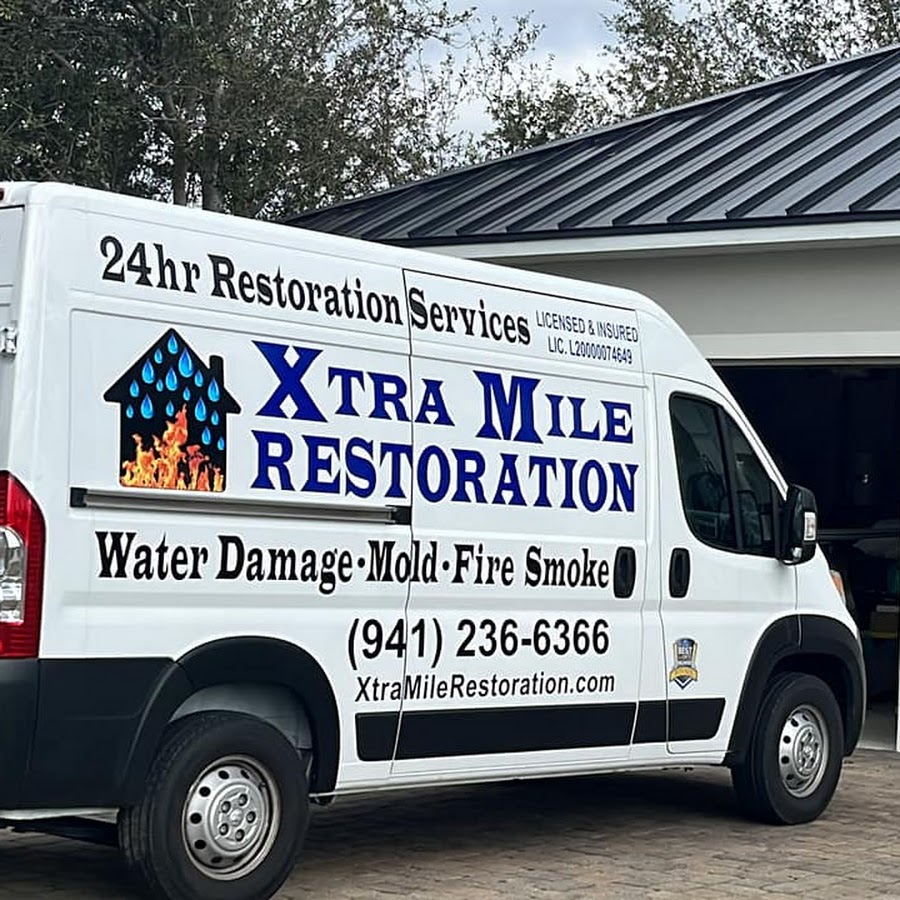
Local experience matters, too. North Port properties face humidity, seasonal storms, and the possibility of water damage occurring alongside fire damage. Xtra Mile Restoration serves local property owners with emergency response and hands-on support designed to help families and property managers move from crisis to a clear recovery plan.
After a fire, the best next step is a careful one: protect the property, document what happened, and bring in qualified help before smoke, water, and humidity create deeper damage. Recovery begins with a safe, informed decision, and help is available when you are ready to take that step.