24/7 Emergency Service
MENU
A burst pipe at 2 a.m. or stormwater creeping across the floor can turn a normal day into a high-stress mess fast. Water damage restoration is not just about drying what you can see. It is about stopping the spread, protecting the structure, and making sure hidden moisture does not create a second problem days or weeks later.
When water gets into a home or rental property, time matters more than most people realize. Drywall absorbs it. Flooring traps it. Baseboards, insulation, cabinets, and subfloors can all hold moisture long after the surface looks better. That is why a quick mop-up is rarely enough, especially when the source has been active for hours or the affected area is larger than it first appears.
A lot of property owners think restoration starts with repairs. In reality, it starts with stabilization. The first priority is to stop the source if it is still active, whether that means shutting off water to a leaking line, addressing an appliance failure, or preventing more stormwater from entering the property.
From there, the real work is identifying how far the water traveled. Water does not stay in one neat spot. It moves under flooring, behind walls, and into adjoining rooms. A trained restoration team uses moisture detection tools to map the affected areas, which helps avoid the common mistake of drying only what is visible.
Once the scope is clear, the property needs water extraction, controlled drying, and dehumidification. Depending on the damage, some materials may be saved and dried in place, while others need to be removed because they will not dry properly or will break down after saturation. That decision is not always obvious to a homeowner standing in the middle of the damage.
Cleaning and sanitizing may also be part of the process, especially if the water came from a contaminated source. Not all water losses are equal. Clean water from a supply line is very different from water involving sewage backup, overflow, or storm intrusion. The more contaminated the source, the more careful the cleanup needs to be.
The first 24 to 48 hours can change the size and cost of the job. Moisture left in place keeps spreading. Wood can swell. Laminate and vinyl flooring can lift. Drywall can soften and lose integrity. In Florida, warm and humid conditions make the situation even more urgent because wet materials do not dry quickly on their own.
There is also the mold risk. Mold does not wait for a major flood. It can begin growing in damp materials surprisingly fast when conditions are right. That does not mean every water loss turns into a mold problem, but delays increase the chances.
Fast response also helps preserve more of the property. In some cases, early mitigation makes the difference between drying and saving a room versus removing flooring, drywall, or cabinetry. The sooner the moisture is addressed correctly, the better the odds of limiting demolition and repair costs.
Water damage does not always come from dramatic events. Some of the worst losses start with ordinary household failures that go unnoticed. A supply line behind a washing machine can leak slowly for days. A water heater can fail without warning. An AC drain issue can create damage over time that stays hidden until staining or odor appears.
Storms are another major cause, especially in coastal and storm-prone parts of Southwest Florida. Heavy rain, roof leaks, and wind-driven water can affect multiple parts of a home at once. In rental or multi-unit settings, water from an upstairs unit can also travel into ceilings, walls, and electrical areas below.
Then there are the situations no one wants to deal with but happen anyway, such as toilet overflows, sewer backups, and drain failures. Those losses require a more controlled response because the concern is not just moisture. It is also contamination and safe cleanup.
If the situation is safe, start by shutting off the water source or electricity to the affected area if water is near outlets or appliances. Safety comes first. Do not step into standing water if there is any chance it involves electrical hazards.
Move small items, rugs, papers, and valuables out of the wet area if you can do it safely. If water is coming through the ceiling, stay out from underneath any sagging sections. Ceiling collapse is a real risk when water collects overhead.
Take a few photos or videos for documentation. That can help with insurance and provide a record of the initial condition. After that, the best move is usually to get professional help on site quickly rather than spending critical hours trying to manage a larger loss with household fans and towels.
A proper response should feel organized, not chaotic. The team should inspect the property, explain the immediate priorities, and outline what can be dried, what may need to be removed, and what the next steps look like. You should know what is happening and why.
Drying equipment is only part of the job. Placement matters. Monitoring matters. Moisture readings matter. Good restoration work is not guessing that the property is dry because the surface feels dry. It is measuring conditions over time and adjusting the drying plan until the affected materials reach acceptable levels.
Communication matters too, especially when the property owner is stressed, displaced, or trying to coordinate with insurance. The best restoration partners combine technical work with practical support. That means showing up fast, documenting the loss, and helping people understand the process without burying them in jargon.
In communities like Englewood, Venice, North Port, Sarasota, and surrounding areas, local response can make a real difference after storms and sudden plumbing failures. A nearby team can often reach the property faster and understand the kinds of moisture, humidity, and weather-related challenges common to the area.
Insurance questions come up early, and for good reason. Coverage depends on the cause of the loss and the terms of the policy. Sudden and accidental water damage is often handled differently than long-term neglect or repeated leakage.
That is why documentation matters. Photos, moisture readings, notes on the source, and a clear record of the mitigation work all help support the claim process. A restoration company should not promise coverage decisions it does not control, but it should provide professional documentation and communicate clearly enough to support the property owner.
It also helps when the company understands how to separate emergency mitigation from later reconstruction. Drying the structure, removing unsalvageable materials, and stabilizing the property is one stage. Rebuilding walls, replacing flooring, or restoring finishes may be the next. Knowing where one ends and the other begins keeps expectations realistic.
Not every contractor is built for emergency response. Water losses move fast, and the right company should be ready to act fast too. Look for licensed, insured, and certified professionals who handle mitigation work regularly, not occasionally.
Ask how they identify hidden moisture, how they document drying progress, and how quickly they can respond. A company that is truly equipped for restoration should be able to explain its process clearly. You want urgency, but you also want a calm, capable team that does not create more confusion in an already stressful situation.
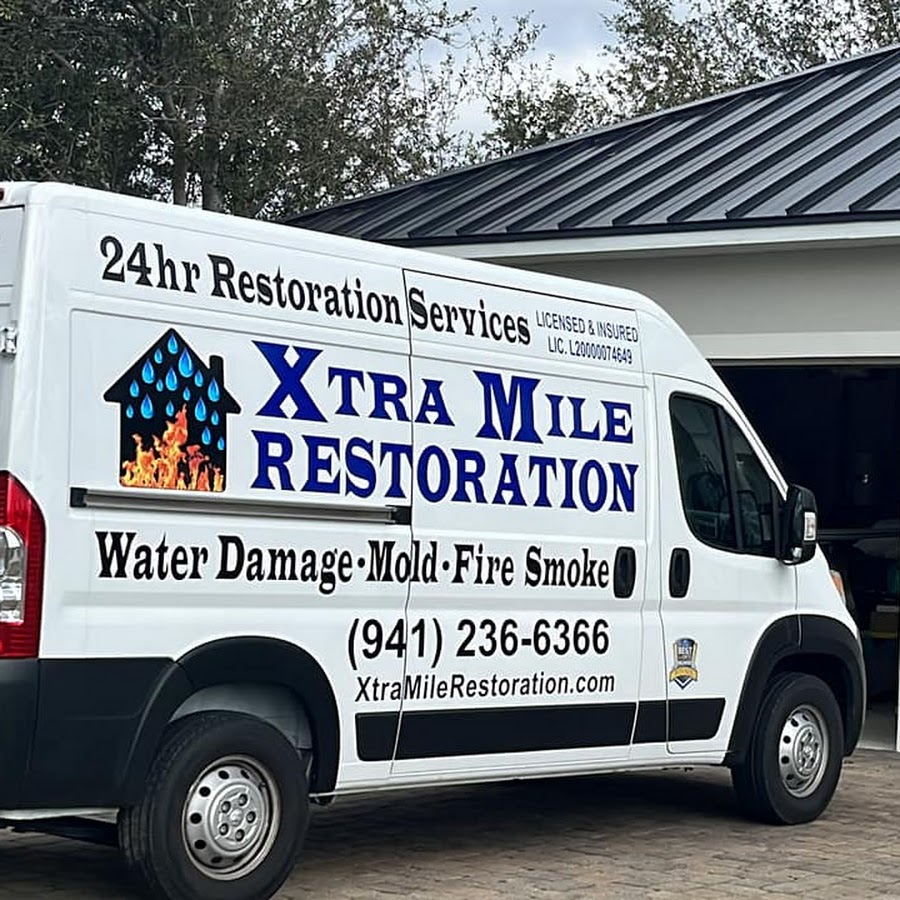
This is where service matters as much as equipment. Property owners need updates, straight answers, and a crew that treats the home with care. At Xtra Mile Restoration, that approach is simple: respond quickly, do the work right, and help bring stability back when a property has been turned upside down.
The hardest part of water damage is often how suddenly it happens. The good news is that the right response can stop a bad situation from getting worse. If your property has taken on water, act early, ask clear questions, and get help from a team that knows how to restore more than just the visible damage.